

The internet has become an essential part of modern life. Women use it to work, study, shop, build businesses, maintain relationships, share their lives, access financial services, and express themselves. But while the digital world offers incredible opportunities, it also comes with risks; including scams, identity theft, account hacking, cyberstalking, privacy violations, and online harassment. Being digitally safe does not mean living in fear or avoiding social media. It means understanding how common online threats work and taking practical steps to protect your information, money, accounts, and personal boundaries.
Here are important online safety tips every woman should know.
Use Strong, Unique Passwords: One of the simplest ways to strengthen your online security is to stop using the same password everywhere. If a password is exposed through a data breach, scammers may try using that same password to access your email, social media, shopping, or financial accounts. The Federal Trade Commission recommends avoiding password reuse and using strong passwords. Create a different password for every important account. If remembering multiple passwords feels overwhelming, consider using a reputable password manager. Your email account deserves particular attention because it can often be used to reset passwords for other accounts.
Turn On Two-Factor Authentication: A password alone may not be enough to protect an account. Two-factor authentication (2FA), also called multi-factor authentication (MFA), adds another layer of protection. Depending on the service, you may be asked for a verification code, authentication-app approval, security key, fingerprint, or another form of verification after entering your password. Even if someone obtains your password, the additional factor can make unauthorized access considerably more difficult. Enable 2FA on your email, social media, banking, cloud-storage, and other important accounts whenever it is available.
Learn to Recognize Phishing Scams: A message can look completely legitimate and still be designed to steal your information. Phishing scams commonly arrive through email, text messages, social media, or other communication platforms. A scammer may pretend to be your bank, employer, delivery company, friend, or another organization you trust. Be particularly cautious when a message creates urgency; for example, telling you that your account will be closed immediately unless you click a link or provide information. The FTC advises against clicking unexpected links or downloading suspicious attachments. Instead, contact the organization through an official website, app, or phone number you already know is genuine.
Remember: urgency is not proof of authenticity.
Be Careful About What You Share on Social Media: Your social media posts can reveal more than you realize. Photos, birthdays, workplaces, school information, locations, travel plans, family details, and even seemingly harmless conversations can provide information that scammers or malicious individuals may use to target you. Before posting, ask yourself:
Would I be comfortable with a stranger knowing this?
Review your privacy settings regularly and consider limiting who can see your posts, stories, contact information, friend list, and location. The National Cyber Security Centre recommends using social-media privacy settings to control your digital footprint.
Avoid Publicly Sharing Your Exact Location: Posting your location in real time can sometimes create unnecessary safety risks.Instead of announcing that you are currently alone at a particular restaurant, hotel, workplace, or event, consider sharing the experience after you have left. Be especially cautious with location tags, live videos, and photographs that reveal your home address, regular routes, workplace, or other predictable routines. Your online audience does not need to know everywhere you are.
Be Careful With Online Dating and New Connections: Online friendships and romantic relationships can be genuine, but not everyone online is who they claim to be. Be cautious if someone you have recently met online quickly becomes emotionally intense, asks for money, requests sensitive information, pressures you to send intimate photographs, or constantly avoids reasonable attempts to verify their identity. Never send money simply because someone creates an emotional emergency. If you decide to meet someone you first encountered online, choose a public location, tell someone you trust where you are going, and arrange your own transportation. Trust should develop gradually not under pressure.
Protect Your Intimate Photos and Private Conversations: Think carefully before sending intimate photographs, videos, identification documents, passwords, or other highly personal material online. Even when you trust someone, you cannot completely control what happens to digital content after sending it. Accounts can be compromised, devices can be lost, relationships can change, and private material can be shared without permission.If someone threatens to publish an intimate image of you, do not assume that paying them will make the problem disappear. Preserve relevant evidence, report the abuse through the appropriate platform, and seek help from trusted authorities or organizations where appropriate. The FTC specifically provides guidance on image-based abuse and situations involving intimate material shared without permission.
Keep Your Phone and Apps Updated: Software updates are not only about getting new features. They can also include important security fixes. Keep your phone’s operating system, browser, apps, and security software updated. Download applications from reputable official stores and remove apps you no longer use. Also review app permissions periodically. An app does not necessarily need access to your contacts, microphone, camera, photographs, or location simply because it requests them.
Protect Your Financial Information: Never casually share your bank details, card information, PIN, passwords, verification codes, or other financial credentials. Be suspicious of anyone who contacts you unexpectedly and asks you to reveal a one-time verification code. A legitimate service should not require you to hand over sensitive authentication credentials to a stranger. When making payments online, verify the recipient and transaction details carefully before confirming.If something feels unusual, stop and independently verify it.
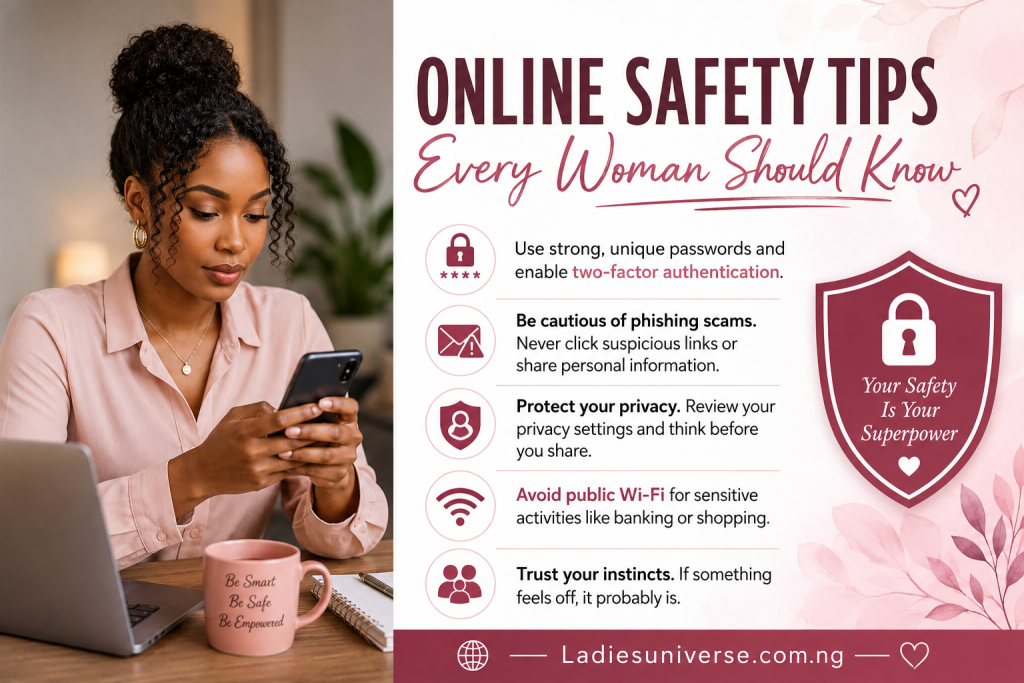
Be Careful With Public Wi-Fi: Free Wi-Fi can be convenient, but you should still exercise caution when using unfamiliar networks. Avoid accessing highly sensitive accounts on networks you do not trust, especially if your connection appears unusual or the network name looks suspicious. When handling sensitive information, use a trusted connection and make sure websites use secure connections. Keeping your devices updated and protected also reduces your exposure to common threats.
Know the Signs of a Hacked Account: Unexpected password-reset emails, unfamiliar login alerts, messages you did not send, changes to account information, or unfamiliar devices connected to your account can be warning signs. If you suspect an account has been compromised, act quickly. Change the password, secure your recovery information, enable 2FA, review logged-in devices and account activity, and use the platform’s official recovery process. The FTC provides specific guidance for recovering hacked email and social-media accounts.
Take Online Harassment and Stalking Seriously: Online abuse can sometimes become a real-world safety issue. If someone repeatedly threatens, stalks, impersonates, blackmails, or harasses you online, take the situation seriously. Avoid engaging unnecessarily with the person, preserve relevant evidence, strengthen your privacy settings, block or report the account where appropriate, and tell someone you trust.If you believe you are in immediate physical danger, seek appropriate local emergency assistance. Technology can also be misused to monitor someone’s activities. The FTC warns that stalkerware may be used to secretly monitor a person’s phone activity.
Think Before You Click: A beautiful advertisement, shocking headline, giveaway, job opportunity, investment offer, or celebrity message can be designed to make you act before thinking. Before clicking, ask:
Who sent this?
Why am I being asked to click?
Does the offer make sense?
Can I verify it independently?
A few seconds of caution can prevent hours of damage.
Review Your Digital Footprint Regularly: Search your name occasionally and check what information about you is publicly available. Review old social-media posts, unused accounts, public photographs, exposed contact details, and outdated profiles. Delete information you no longer need and adjust privacy settings where possible. Google also provides tools that allow users to review, manage, and delete certain information associated with their accounts.
Online safety is not about being paranoid. It is about being prepared. Every woman deserves to feel confident using technology without unnecessarily exposing herself to avoidable risks. Strong passwords, two-factor authentication, careful sharing, privacy-conscious social-media habits, scam awareness, and regular security checks can make a meaningful difference. Most importantly, remember that you do not owe anyone access to your private information, photographs, location, passwords, money, or personal life simply because they ask for it. Your digital life is part of your life; and protecting it is an important form of self-care.
Stay curious.
Stay informed.
Think before you click.
And never be afraid to put your privacy and safety first. LadiesUniverse; helping women navigate life with confidence, wisdom, and grace.