
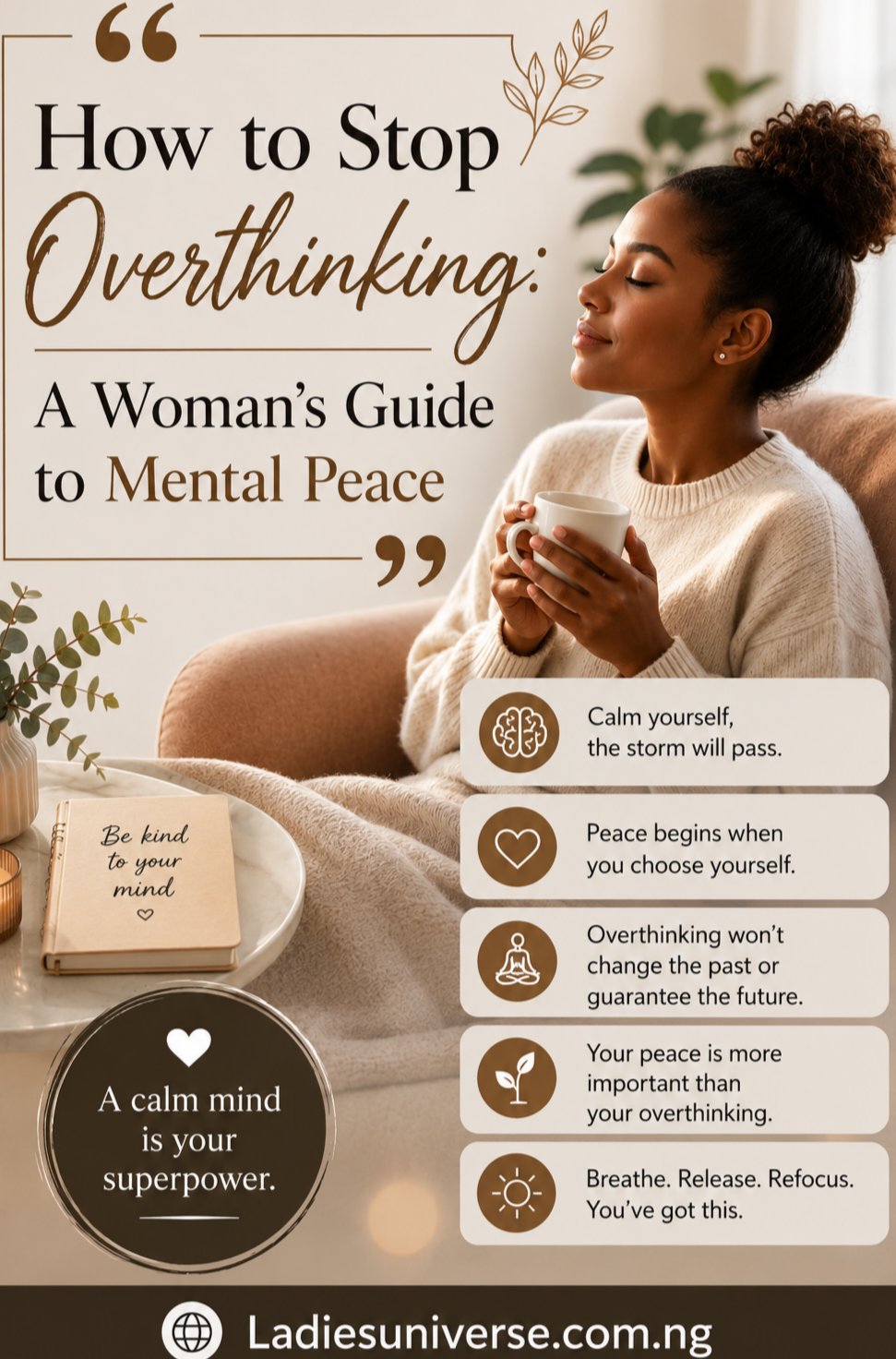
Peace of mind is one of the most valuable gifts a woman can give herself. It provides the clarity to make wise decisions, the resilience to navigate life’s challenges, and the emotional strength to enjoy each day without being weighed down by constant worry. Yet for many women, achieving that inner calm can feel difficult amid the demands of work, relationships, family responsibilities, and personal aspirations. Mental peace is not the absence of challenges; it is the ability to remain emotionally grounded despite them. It allows you to respond thoughtfully instead of reacting impulsively, focus on what truly matters, and find confidence even when life feels uncertain. Despite our best efforts to stay positive and productive, the pressures of everyday life can sometimes become overwhelming. Expectations from society, commitments to loved ones, and the desire to excel in different areas of life may leave little room for rest or reflection. Over time, this mental strain can make it difficult to switch off, leading many women into a cycle of excessive worrying and self-doubt. This is where overthinking often begins to take hold.
Overthinking is the habit of repeatedly analysing situations, dwelling excessively on thoughts, replaying conversations, worrying about future events, or second-guessing decisions long after they have been made. Instead of helping you solve problems, it often creates more stress, increases self-doubt, and steals the peace you deserve. The encouraging news is that overthinking is not a personality trait—it’s a habit that can be changed. With greater self-awareness and practical daily strategies, you can learn to quiet the mental noise, regain emotional balance, and experience a healthier, more peaceful way of living.
In this guide, you’ll discover why overthinking happens, how it affects your mental well-being, and practical, evidence-informed techniques to help you calm your mind, reduce unnecessary worry, and cultivate lasting mental peace.
Common signs of overthinking include:- replaying conversations repeatedly, constantly worrying about future events, difficulty making decisions, second-guessing yourself, assuming the worst will happen, feeling mentally exhausted despite doing very little physically, struggling to relax because your mind never seems to stop. While occasional overthinking is normal, chronic overthinking can negatively affect emotional well-being, sleep, relationships, and productivity.
Why Do Women Tend to Overthink? Although anyone can overthink, women often face unique social and emotional pressures that contribute to this habit.
The Pressure to Be Perfect: Many women feel expected to excel at work, nurture relationships, care for family, maintain friendships, and still find time for self-care. Trying to meet unrealistic standards can create constant mental pressure.
Fear of Making Mistakes: Perfectionism often convinces women that every decision must be flawless. This fear leads to endless analysis instead of action.
Emotional Sensitivity: Women are often encouraged to be emotionally aware and empathetic. While empathy is a strength, it can sometimes lead to carrying other people’s emotions and worrying excessively about how others feel.
Life Transitions: Marriage, motherhood, career changes, financial challenges, health concerns, or relationship difficulties can all trigger increased overthinking.
How Overthinking Affects Your Mental Health
When left unchecked, overthinking can contribute to:- increased stress levels, anxiety, difficulty sleeping, poor concentration, emotional burnout, reduced confidence, indecisiveness, lower productivity. Constant mental activity also makes it difficult to enjoy the present moment because your attention remains trapped in either the past or the future.
Practical Ways to Stop Overthinking
Identify Your Triggers: Pay attention to situations that cause your thoughts to spiral. It may be social media, work stress, relationship conflicts, financial concerns, or comparing yourself with others. Keeping a simple journal can help you recognize patterns and prepare healthier responses.
Separate Facts from Assumptions: Ask yourself:- What evidence supports this thought?- Am I assuming the worst?- Is there another possible explanation? Many anxious thoughts are based on assumptions rather than facts.
Focus on What You Can Control: One of the biggest causes of overthinking is trying to control things beyond your influence. Instead of asking, “What if everything goes wrong?” ask, “What is one positive action I can take today?” Directing your energy toward actions rather than worries reduces mental stress and helps you regain a sense of control.
Set a Time Limit for Decisions: Not every decision requires endless deliberation. Give yourself a reasonable deadline to gather information, weigh your options, and make a choice. Remember that progress is often better than perfection, and many decisions can be adjusted as you gain more experience.
Practice Mindfulness: Mindfulness is the practice of paying attention to the present moment without judgment. Simple ways to practise mindfulness include:- taking slow, deep breaths, spending time in nature, listening attentively during conversations, enjoying meals without distractions, taking short breaks to pause and reflect. These habits can help interrupt anxious thought patterns and bring your focus back to the present.
Reduce Social Media Comparison: Social media often showcases only the highlights of people’s lives. Comparing your everyday reality with someone else’s carefully curated moments can fuel insecurity and unnecessary worry. Be intentional about who you follow, limit your screen time when needed, and remember that real life is rarely as perfect as it appears online.
Let Go of Perfectionism: Perfection is an impossible standard. Striving for excellence is healthy, but expecting perfection in every area of life often leads to disappointment and overthinking. Instead of asking, “Is this perfect?” ask yourself, “Is this good enough to move forward?”
Prioritise Your Physical Health: Your body and mind work together. Regular exercise, nutritious meals, adequate sleep, and staying hydrated all contribute to better emotional resilience and clearer thinking. Even a daily walk or light exercise can improve your mood and reduce stress.
Talk to Someone You Trust: You don’t have to carry every burden alone. Sharing your concerns with a trusted friend, family member, mentor, or licensed mental health professional can provide valuable perspective and emotional support. Sometimes, speaking your worries aloud helps you realise they are less overwhelming than they seemed in your mind.
Replace Negative Thoughts with Balanced Ones: Negative self-talk often fuels overthinking. Instead of saying, “I always get things wrong,” try saying, “I’ve made mistakes before, but I’ve also learned, grown, and succeeded.” Balanced thinking encourages self-compassion while helping you see situations more realistically.
Build Daily Habits That Protect Your Peace: Lasting mental peace is often the result of small, consistent habits rather than dramatic changes. Consider incorporating these practices into your daily routine:- begin each day with gratitude, spend time in prayer or meditation if it aligns with your beliefs, read uplifting books or inspirational content, exercise regularly, limit exposure to negative news and social media, write down your thoughts before bed, practise positive self-talk, surround yourself with supportive and encouraging people. Remember, consistency makes the difference. These habits may seem simple, but over time they can significantly improve your emotional well-being.
When Should You Seek Professional Help?
If overthinking begins to interfere with your work, relationships, sleep, or everyday responsibilities, it may be time to seek support from a licensed mental health professional. Persistent overthinking can sometimes be associated with anxiety disorders, depression, or other mental health conditions that benefit from professional care. Seeking help is not a sign of weakness—it is a courageous step towards healing and personal growth.
Every woman deserves to experience a life filled with clarity, confidence, and inner peace. Although overthinking may seem overwhelming, it does not have to define your life. Learning to quiet your mind is a gradual process. By recognising unhelpful thought patterns, focusing on what you can control, practising self-compassion, and building healthy daily habits, you can replace constant worry with calm and confidence. Remember, mental peace is not achieved by eliminating every challenge from your life. It is cultivated by changing how you respond to those challenges. As you embrace healthier ways of thinking, you’ll discover greater resilience, emotional freedom, and the confidence to live fully in the present moment.