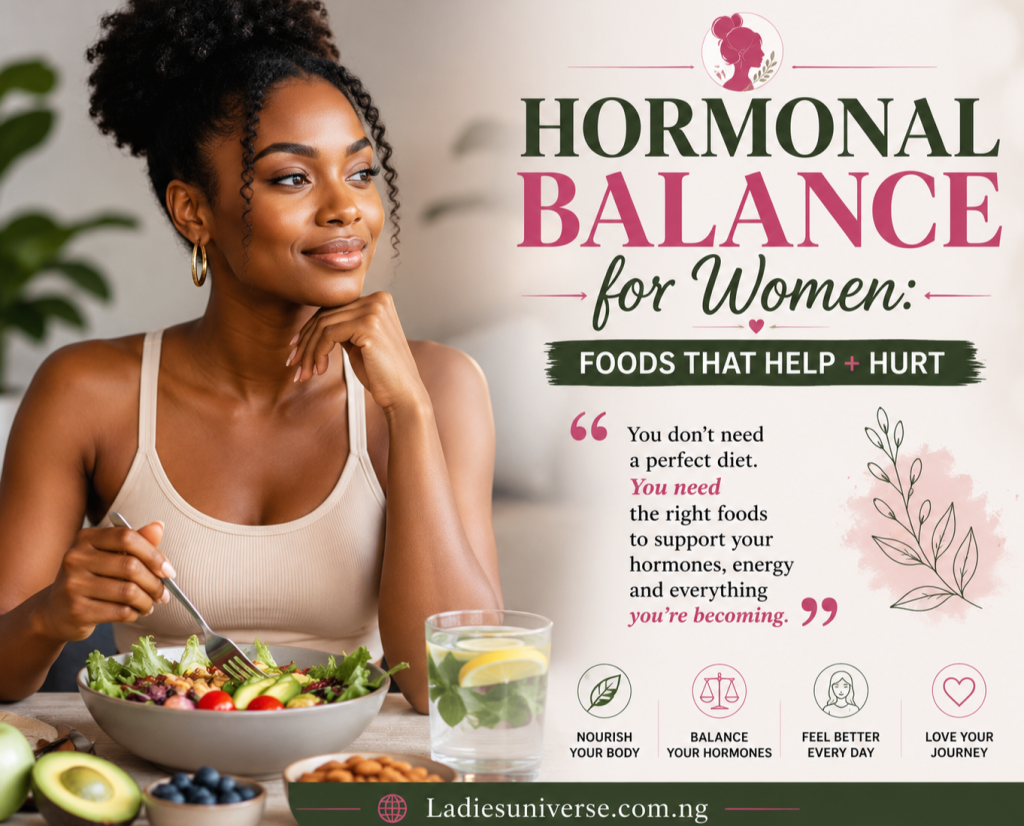
Have you ever wondered why some days you wake up feeling energized, your skin is glowing, and everything seems to fall into place—while on other days you’re battling stubborn acne, painful cramps, sugar cravings, bloating, mood swings, or unexplained fatigue? It may feel like your body is working against you, but often, your hormones are working behind the scenes. The good news is that your daily food choices can influence how well those hormones function. While no single meal can magically fix a hormonal imbalance, consistently eating nourishing foods—and limiting those that may trigger inflammation or blood sugar spikes—can help your body work more efficiently. Whether you’re trying to ease PMS symptoms, manage polycystic ovary syndrome (PCOS), support your fertility, prepare for menopause, or simply feel your best every day, understanding which foods help and which ones hurt is a smart place to start.
In this guide, we’ll explore the best hormone-friendly foods for women, the foods to enjoy in moderation, and simple lifestyle habits that support healthy hormones naturally.
Why Hormonal Balance Matters
Hormones are chemical messengers that control many of the body’s essential functions. They influence your menstrual cycle, metabolism, mood, sleep, appetite, fertility, skin health, and even how your body responds to stress. When hormones are balanced, you are more likely to enjoy: regular menstrual cycles, stable energy throughout the day, better sleep quality, umproved mood and mental clarity, healthier skin and hair, a healthy metabolism, better reproductive health. On the other hand, hormonal imbalances can contribute to irregular periods, severe PMS, acne, weight changes, fatigue, anxiety, and difficulty getting pregnant. While medical conditions such as PCOS, thyroid disorders, and menopause can affect hormones, nutrition is one of the most powerful lifestyle factors that you can control.
Signs Your Hormones May Be Out of Balance
Every woman experiences hormonal changes throughout her life, but persistent symptoms should not be ignored. Some common signs include:- Irregular or missed periods, painful or unusually heavy menstrual bleeding, persistent acne, especially around the jawline, mood swings, anxiety, or irritability,constant fatigue despite getting enough sleep, unexplained weight gain or difficulty losing weight, hair thinning or excessive facial hair growth, low sex drive, trouble sleeping, frequent sugar cravings. Experiencing one or two of these symptoms occasionally doesn’t necessarily mean you have a hormonal disorder. However, if they become persistent or interfere with your daily life, it’s important to consult a healthcare professional for proper evaluation.
Foods That Help Balance Women’s Hormones
The foods you eat every day provide the nutrients your body needs to produce, regulate, and eliminate hormones efficiently. Choosing whole, nutrient-rich foods can make a significant difference over time.
. Fatty Fish: Salmon, sardines, trout, and mackerel are excellent sources of omega-3 fatty acids. These healthy fats help reduce inflammation, support brain health, and may improve insulin sensitivity, making them particularly beneficial for women with PCOS.Aim to include oily fish in your meals two to three times a week.
. Leafy Green Vegetables: Vegetables such as spinach, kale, ugu (fluted pumpkin leaves), and broccoli are packed with magnesium, calcium, folate, and antioxidants. These nutrients support hormone production, reduce inflammation, and help the body cope with stress. Filling half your plate with vegetables is one of the simplest ways to nourish your hormones.
. Whole Grains: Whole grains like oats, brown rice, millet, quinoa, and whole wheat digest more slowly than refined grains, helping to stabilize blood sugar levels. Balanced blood sugar helps regulate insulin, an important hormone that affects energy, metabolism, and reproductive health.
. Healthy Fats: Healthy fats are essential because many hormones are made from cholesterol and fats. Good sources include:- Avocados- Olive oil- Almonds- Walnuts- Cashews- Natural peanut butterIncluding healthy fats in moderation can help support hormone production while keeping you satisfied for longer.
. Seeds: Don’t underestimate tiny seeds. Flaxseeds, chia seeds, sesame seeds, and pumpkin seeds are rich in fibre, zinc, magnesium, and healthy fats. Flaxseeds contain lignans—natural plant compounds that support healthy estrogen metabolism—while pumpkin seeds provide zinc, a mineral important for reproductive health.
. Eggs: Eggs provide high-quality protein, vitamin D, choline, and healthy fats. Protein helps keep blood sugar steady, reducing the spikes and crashes that may contribute to hormonal fluctuations. Unless advised otherwise by your healthcare provider, eggs can be part of a healthy, balanced diet.
. Berries: Blueberries, strawberries, raspberries, and blackberries are rich in antioxidants that protect your cells from oxidative stress. Adding berries to your breakfast, smoothies, or yoghurt is an easy way to support overall health.
. Fermented Foods: A healthy gut plays a bigger role in hormone balance than many people realise. Foods such as plain yoghurt with live cultures, kefir, kimchi, and fermented vegetables help support beneficial gut bacteria, which contribute to healthy estrogen metabolism. Choose products with little or no added sugar whenever possible.
. Legumes: Beans, lentils, chickpeas, and peas provide plant protein, fibre, iron, and magnesium. They’re affordable, filling, and excellent for maintaining healthy blood sugar levels while supporting overall wellness.
. Fresh Fruits: Colourful fruits like oranges, apples, bananas, watermelon, pears, and citrus fruits provide vitamins, antioxidants, and fibre that help fight inflammation and promote overall hormonal health. Aim to enjoy a variety of fruits rather than relying on just one type.
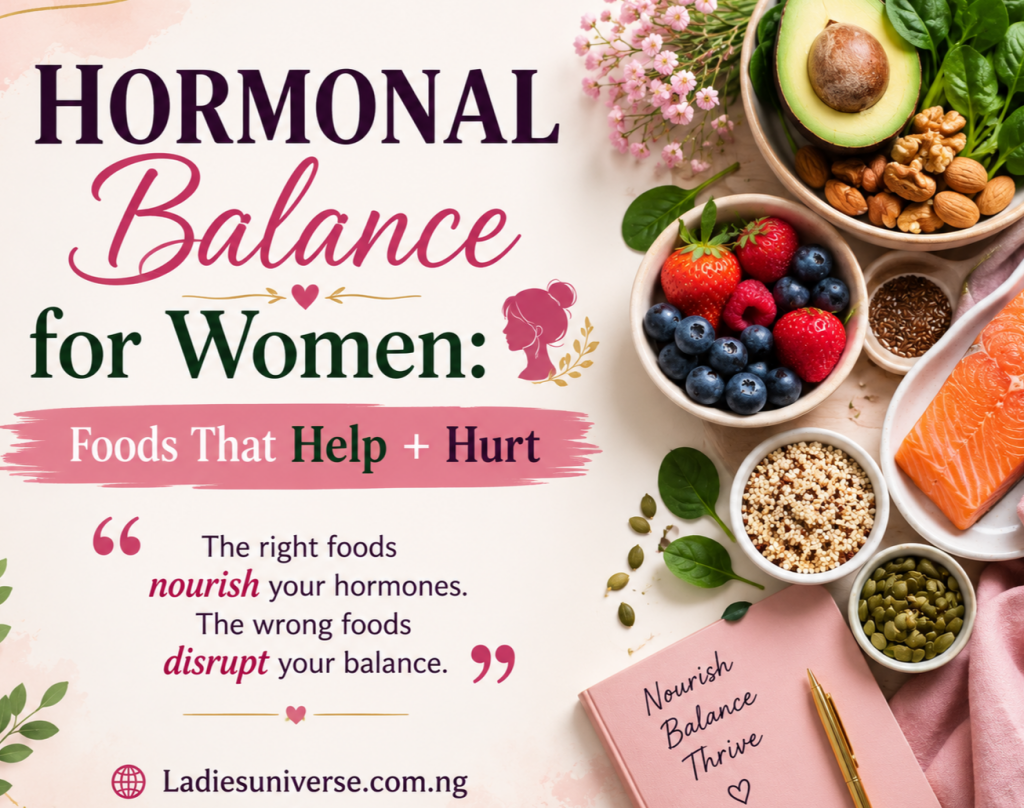
Foods That May Hurt Hormonal Balance
No food is completely “bad,” but regular consumption of certain foods in large amounts may make hormonal symptoms worse.
. Sugary Foods and Drinks: Soft drinks, sweets, cakes, pastries, and sugary cereals can cause rapid increases in blood sugar. Over time, repeated spikes may contribute to insulin resistance, which is linked to conditions such as PCOS and type 2 diabetes.
. Highly Processed Foods: Fast food, processed meats, packaged snacks, and instant meals often contain high amounts of sodium, unhealthy fats, and refined carbohydrates. Eating these foods frequently may increase inflammation and negatively affect overall health.
. Excessive Alcohol: Heavy alcohol consumption can interfere with liver function. Since the liver helps to process and eliminate excess hormones, drinking too much alcohol may affect hormonal balance. If you choose to drink, do so in moderation.
. Trans Fats: Artificial trans fats have been associated with increased inflammation and poorer heart health. Although many countries have reduced their use, they may still be found in some commercially baked goods and fried foods. Reading food labels can help you make healthier choices.
. Too Much Caffeine: Coffee can be part of a healthy diet for many women. However, excessive caffeine intake may increase anxiety, interfere with sleep, and raise cortisol—the body’s primary stress hormone. If you notice caffeine worsens your symptoms, consider reducing your intake or avoiding it later in the day.
. Refined Carbohydrates: White bread, pastries, and many refined grain products digest quickly, causing blood sugar to rise more rapidly than whole grains. Whenever possible, replace refined carbohydrates with whole-grain alternatives.
Other Lifestyle Habits That Support Healthy Hormone
Healthy hormones depend on more than just food. Your everyday habits matter too.
Aim for 7–9 hours of quality sleep each night.
Engage in regular physical activity, including walking, strength training, or cycling.
Manage stress through prayer, meditation, deep breathing, journaling, or spending time in nature.
Drink plenty of water throughout the day.- Avoid smoking.
Maintain a healthy weight without following extreme diets.
Attend regular health check-ups and discuss any persistent symptoms with your healthcare provider.
Small, and consistent lifestyle changes often have a greater impact than trying restrictive diets or expensive supplements.
When to See a Healthcare Professional
If you have been experiencing ongoing hormonal symptoms, do not rely solely on internet advice or self-diagnosis.
Seek medical attention if you notice:
Very irregular or absent periods
Extremely heavy menstrual bleeding
Persistent acne that doesn’t improve
Unexplained weight gain or weight loss
Difficulty becoming pregnant
Severe fatigue
Excess facial hair growth
Symptoms of thyroid problems, such as unusual sensitivity to heat or cold, rapid heartbeat, or unexplained hair loss
A healthcare professional can perform the necessary tests to determine whether an underlying condition such as PCOS, thyroid disease, diabetes, or menopause-related hormonal changes is affecting your health.
Your hormones influence nearly every aspect of your health, but supporting them doesn’t require a perfect diet or expensive wellness products. Instead, focus on building healthy habits that you can maintain over time. Fill your plate with colourful vegetables, fruits, whole grains, lean proteins, healthy fats, and fibre-rich foods while limiting highly processed foods, excess sugar, and unhealthy fats. Pair these choices with regular exercise, quality sleep, stress management, and routine medical care.
Remember, every woman’s body is different. What works for one person may not work for another. Listen to your body, nourish it with wholesome foods, and don’t hesitate to seek professional advice if something doesn’t feel right. Healthy hormones are built through consistent, balanced choices—not quick fixes—and your future self will thank you for every positive step you take today.