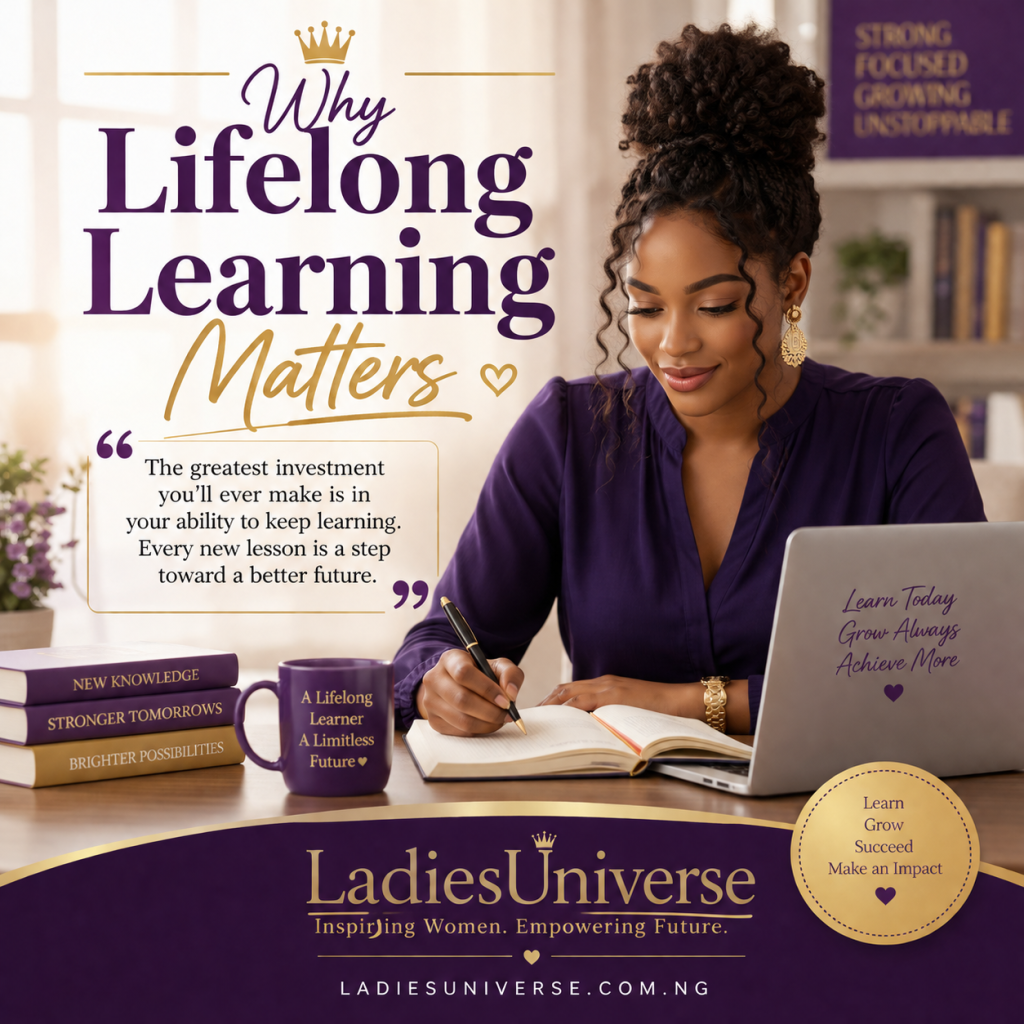
Growth is one of life’s greatest achievements, and it never has to stop. Every new skill you develop, every book you read, and every experience you embrace has the power to shape a better future. In a world where change happens rapidly, the ability to keep growing is one of the most valuable qualities anyone can possess. This is where lifelong learning becomes essential. It is more than earning degrees or certificates; it’s a commitment to continuously expanding your knowledge, improving your skills, and becoming the best version of yourself.
In today’s fast-changing world, knowledge is constantly evolving. New technologies, industries, and opportunities emerge every day, making continuous learning more important than ever. Those who embrace lifelong learning are often better equipped to adapt to change, make informed decisions, and unlock new opportunities in both their personal and professional lives. Whether you want to advance your career, improve your confidence, develop a new hobby, or simply become a more informed person, lifelong learning is one of the best investments you can make.In this article, we’ll explore why lifelong learning matters, its benefits, and practical ways to make learning a natural part of your everyday life.
What Is Lifelong Learning?
Lifelong learning is the continuous pursuit of knowledge and skills throughout your life. It includes formal education, such as earning a degree or professional certification, and informal learning through reading books, attending workshops, listening to podcasts, taking online courses, or learning from everyday experiences. Unlike traditional education, lifelong learning is self-driven. You decide what you want to learn based on your goals, interests, and personal growth.
Why Lifelong Learning Matters
It Helps You Stay Relevant: The workplace is constantly evolving. New technologies, digital tools, and industry trends are changing how people work. Skills that were valuable a few years ago may become outdated. By continually learning, you stay competitive and increase your ability to adapt to change. Employers value people who are willing to learn because they can grow alongside the organization.
It Boosts Confidence: Learning something new gives you a sense of achievement. Whether you master a new language, improve your communication skills, or learn how to use new software, each accomplishment builds confidence. Confident people are more likely to pursue opportunities, speak up, and embrace challenges without fear of failure.
It Supports Career Growth: Many career opportunities come to those who continue improving their knowledge and abilities. Learning new skills can lead to promotions, higher salaries, career changes, or even the confidence to start your own business. Continuous learning demonstrates initiative, dedication, and adaptability; qualities that employers consistently appreciate.
It Improves Problem-Solving Skills: Everyday life presents challenges that require critical thinking and creativity. Learning exposes you to different perspectives, ideas, and methods of solving problems. The more knowledge you acquire, the better equipped you become to make informed decisions and overcome obstacles effectively.
It Keeps Your Brain Active: Research suggests that mentally stimulating activities support brain health and cognitive function as people age. Reading, solving puzzles, learning musical instruments, studying new subjects, or acquiring new skills all help keep your mind engaged. Keeping your brain active may improve memory, concentration, and overall mental sharpness.
It Encourages Personal Growth: Learning is not only about professional success. It also helps you become a better person. You may learn:
Better communication skills
Financial management
Emotional intelligence
Leadership
Time management
Healthy lifestyle habits
These skills improve relationships, decision-making, and overall quality of life.
It Increases Adaptability: Life rarely goes exactly as planned. Career changes, economic shifts, family responsibilities, and unexpected circumstances require flexibility. People who embrace lifelong learning often adapt more easily because they are comfortable learning new skills and adjusting to different situations.
The Benefits of Lifelong Learning for Women
For women, lifelong learning can be especially empowering. Whether balancing work, family, business, or personal responsibilities, learning creates opportunities for independence and growth. Women who continue learning can:
Build successful careers.Improve financial literacy.
Develop leadership skills.
Increase self-confidence.
Start businesses.
Inspire their children and communities.
Stay informed about health and wellness.
Every new skill learned becomes another tool for building a brighter future.
Simple Ways to Practice Lifelong Learning
Learning does not have to be expensive or time-consuming. Small, consistent efforts make a significant difference over time. Here are practical ways to become a lifelong learner:
Read Regularly: Books, articles, and trusted blogs expose you to new ideas and knowledge. Even reading for 20 minutes each day can greatly expand your understanding over time.
Take Online Courses: Many reputable platforms offer affordable or free courses on business, technology, languages, personal development, and countless other subjects.
Listen to Educational Podcasts: Podcasts make it easy to learn while driving, exercising, cooking, or commuting.
Attend Workshops and Seminars: Professional events provide opportunities to gain knowledge while networking with experts and like-minded individuals.
Learn New Skills: Consider learning:
Graphic design
Photography
Public speaking
Writing
Coding
Cooking
Digital marketing
Foreign languages
Every new skill can open unexpected opportunities.
Ask Questions: Curiosity is one of the greatest qualities of lifelong learners. Never hesitate to ask questions and seek deeper understanding.
Learn from Experience: Every success and every mistake teaches valuable lessons. Reflecting on your experiences helps you grow wiser and make better decisions.
Common Barriers to Lifelong Learning
Many people believe they are too busy or too old to continue learning. Fortunately, these barriers can often be overcome.
“I Don’t Have Time” Learning does not require hours every day. Even 15 to 30 minutes of focused learning can produce meaningful results over time.
“I’m Too Old” Learning has no age limit. People of all ages successfully learn new careers, languages, and skills. Your willingness to learn matters far more than your age.
“It’s Too Expensive” Many high-quality educational resources are available for free through libraries, universities, nonprofit organizations, and reputable online platforms.
“I’m Afraid I’ll Fail” Making mistakes is a natural part of learning. Every expert was once a beginner. Progress comes from persistence, not perfection.
How to Build a Lifelong Learning Habit
Building a sustainable learning routine is easier than many people think. Start by:
Setting clear learning goals.
Choosing topics that genuinely interest you.
Scheduling dedicated learning time.
Taking notes while learning.
Applying new knowledge immediately.
Reviewing what you’ve learned regularly.
Celebrating small milestones.
Consistency matters more than speed.
Lifelong Learning Creates Lasting Success
Success is rarely the result of luck alone. Behind most successful people is a commitment to continuous improvement. The world’s most respected leaders, entrepreneurs, innovators, and professionals never stop learning. They remain curious, seek feedback, read extensively, and continually improve their skills. You don’t have to know everything today. What matters is your willingness to keep growing tomorrow.
Lifelong learning is more than a habit; it is a mindset that empowers you to adapt, grow, and thrive in an ever-changing world. Every new skill you acquire, every lesson you learn, and every experience you embrace contributes to your personal and professional development. No matter your age or stage of life, there is always something new to discover that can enrich your journey and expand your opportunities.
Lifelong learning is one of the greatest gifts you can give yourself. It keeps your mind active, expands your opportunities, strengthens your confidence, and prepares you for an ever-changing world. Every book you read, every course you complete, every question you ask, and every new skill you develop brings you one step closer to becoming a wiser, more capable, and more fulfilled person.
Remember, education is not confined to classrooms or limited by age. Growth is a lifelong journey, and every day offers a new opportunity to learn something valuable. Embrace curiosity, stay open to new experiences, and invest in your personal development. The knowledge you gain today can shape the opportunities you enjoy tomorrow.